


CultureWatch Reviews: Founding Gardeners, The Map of True Places and the Doc Martin DVD Collection
BOOKS
Don’t let the extra pages of notes and bibliography put you off Founding Gardeners, a remarkable book. Neither dull nor pedantic, nor beyond the grasp of anyone who likes history or loves growing things. The Map of True Places is a real psychological novel, dealing with layers of each personality and enough mystery to keep it moving with plenty of impetus.
DVD Set: The reviewer admits they're watching the Doc Martin complete series for the third time, something the title character (an esteemed but rude doctor) would disdain
FOUNDING GARDENERS
The Revolutionary Generation, Nature, and the Shaping of the American Nation
by Andrea Wulf , © 2011
Published by Alfred A. Knopf/Division of Random House, ©2011; Hardcover; 211 pp text plus another 150 pp of bibliography, notes, and extensive index
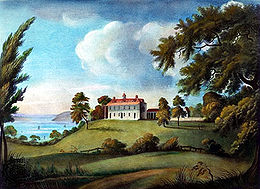
Don’t let the noted extra pages of notes and bibliography put you off this remarkable book. It is neither dull nor pedantic, nor is it beyond the grasp of anyone who likes history or loves growing things. Andrea Wulf has produced a fascinating tale of 18th century American politics as well as "gardening," a term that covers not just the creation of kitchen gardens or the planting of pretty flowers, but also speaks of the forests and meadows and open landscapes that influenced the image of our country across the world, and spoke to our founding fathers’ love for their land.
The book focuses on our first four presidents: Washington, Adams, Jefferson, and Madison, although the preface quite rightly features two other men important to her subject, John Bartram and Benjamin Franklin.
Following a visit in 2006 to Jefferson’s Monticello home, Wulf, a noted British writer, had decided to write "… about the eighteenth century American farmer and plant collector John Bartram [and] the introduction of non-native plants into the English landscape — many of which had been sent by Bartram from the American colonies.” But the more she investigated Bartram, the more fascinated she became by the eighteenth century Americans’ relationship to nature.
Having read some correspondence between Bartram and Benjamin Franklin, she also discovered that both Thomas Jefferson and George Washington had ordered plants from Bartram. James Madison, too, had visited Bartram’s garden just before the Constitutional Convention in 1787.
Ms. Wulf's additional foray into the diaries of John Adams revealed that he had loved working in his garden and on his farm in Massachusetts, and although he was a lawyer, he preferred to describe himself first and foremost as a farmer. Any profit made from his law office went to the purchase of additional land to expand his working farm, where he endeavored to improve the ground by additions of lime and of seaweed, and kept good records of the success or failure of new methods and new seeds.
In Wulf's words:
More Articles
- The Beige Book Summary of Commentary on Current Economic Conditions By Federal Reserve District Wednesday November 30, 2022
- A la Frank Sinatra: "Come Fly With Me", U.S. Department of Transportation Airline Customer Service Dashboard
- The National Archives: Holding It Together: Before Passwords — Ribbons and Seals for Document Security
- Adrienne G. Cannon Writes: Those Lonely Days
- From the CDC: When You've Been Fully Vaccinated You Can ........For the 30,000,000 Who Have Been Vaccinated
- The Scout Report: Penn and Slavery Project, Robots Reading Vogue, Open Book Publishers, Black History in Two Minutes & Maps of Home
- Jill Norgren Reviews a New Inspector Gamache Mystery: All the Devils Are Here
- FactCheck Post: The Facts on Trump’s Travel Restrictions: "We Don't Have a Travel Ban; We Have a Travel Band-Aid Right Now"
- Heard of the Novel Corona Virus Before? The New England Journal of Medicine's Free Reading Lists and the W.H.O.'s Statement
- Horse, Horse, Tiger, Tiger; It's the Tone of the Character That Makes the Word


