


Widespread voting cutbacks could have a significant electoral impact in this year’s hard-fought races. Minorities, poor, elderly, and young voters will likely be most affected.
Voting Law Changes in 2012 analyzes the 20 laws and two executive actions that passed in 15 states in 2011, as well as more than 100 bills that were introduced but did not pass (some may still pass). The study shows, among other things, that: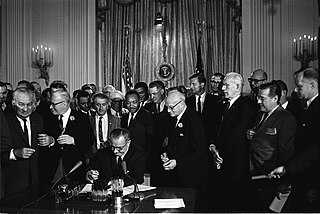
- The states that had cut back on voting rights will provide a majority of the electoral votes needed to win in 2012 and comprise a significant number of battleground states.
- Since the report’s release in October 2011, three additional states have passed bills making it harder to vote (Pennsylvania, Mississippi, and Virginia), bills are currently pending in 12 states, and citizens in two states have succeeded in blocking restrictive laws.
“These voting law changes are radical and completely unnecessary. They especially hurt those who have been historically locked out of our electoral system — minorities, poor people, and students. Often they seem precisely targeted to exclude certain voters,” said Lee Rowland, counsel for the Center’s Democracy Program and one of the attorneys who argued the Florida case. “After the Florida election fiasco in 2000, it became clear that the rules of election administration could affect outcomes. This time, those rules are being altered in a way that will likely hurt millions.”
Proponents of these laws assert they are needed to combat voter fraud. An earlier Brennan Center study, The Truth About Voter Fraud, showed that such in-person voter impersonation is exceedingly rare. “You are more likely to be struck by lightning than to commit in-person voter fraud,” Weiser noted.
Read more about state law changes at the Brennan Center as well as how 11 percent, or more than 21 million, American citizens do not possess a government-issued photo ID in Citizens Without Proof, a Brennan Center publication.
(Note that the Justice Department announced it will monitor elections on June 5, 2012, in the following jurisdictions to ensure compliance with the Voting Rights Act of 1965 and other federal voting rights statutes: Alameda, Fresno and Riverside Counties, CA; Cibola and Sandoval Counties, NM; Shannon County, SD; and the city of Milwaukee. Complaints may be reported to the Voting Section of the Justice Department’s Civil Rights Division at 1-800-253-3931.)
Wikipedia photo of President Lyndon B. Johnson signing the 1964 Civil Rights Act as Martin Luther King, Jr., and others, look on.
Pages: 1 · 2
More Articles
- Attorney General Merrick B. Garland Delivers Remarks at the U.S. Attorney’s Office for the Southern District of New York
- “Few rights are more central to individual freedom than the right to control one’s own body. The Justice Department will use every tool at our disposal to protect reproductive freedom."
- Attorney General Merrick B. Garland Statement on Supreme Court Ruling in Dobbs v. Jackson Women’s Health Organization
- Domestic Violence, Dating Violence, Sexual Assault and Stalking: Deputy Attorney General Lisa O. Monaco Testifies on Reauthorizing the Violence Against Women Act
- Jo Freeman Reviews: No Common Ground: Confederate Monuments and the Ongoing Fight for Racial Justice
- Attorney General Barr Testifies on Justice Department Mission and Programs: Watch From the Beginning
- Special Counsel Robert S. Mueller III Makes Statement on Investigation into Russian Interference in the 2016 Presidential Election
- If You're Looking For A Link To the Mueller Report, Look No Further
- Cities, States Resist — and Assist — Senate Hearing on Immigration Crackdown in New Ways and Reunification of Migrant Families
- Download the Indictment: Grand Jury Indicts Thirteen Russian Individuals and Three Russian Companies for Scheme to Interfere in the United States Political System


