|
Help |
Site Map
|
Health, Fitness and Style
AS OF APRIL 4, 2022
Background
Changes to the makeup of the U.S. Supreme Court in 2018 raise the possibility that Roe v. Wade could be severely undermined — or even overturned — essentially leaving the legality of abortion to individual states. A reversal of Roe could establish a legal path for states’ pre-1973 abortion bans, as well as currently unenforced post-1973 bans, to take effect.
Many state lawmakers continue to consider and enact abortion bans that fly in the face of constitutional standards and Roe’s precedent in anticipation of an eventual lawsuit on such a ban coming before a Supreme Court hostile to abortion rights.
Some bans prohibit abortion under all or nearly all circumstances, a tactic widely viewed as an attempt to provoke a legal challenge to Roe. Several of this type of ban that were passed by states have been blocked by court orders and would require further court action to be enforced.
Other bans enacted after Roe are designed to be “triggered” and take effect automatically or by swift state action if Roe is overturned. Several states even have laws declaring the state’s intent to ban abortion to whatever extent is permitted by the U.S. Constitution, making their desire to halt abortion access in the state clear. A few states have amended their constitution to declare that it does not contain any protection for abortion rights or allow public funds to be used for abortion.
Meanwhile, policymakers in some states have approved laws to protect abortion rights without relying on the Roe decision. Most of these policies prohibit the state from interfering with the right to obtain an abortion before viability or when necessary to protect the life or health of the pregnant person.
Visit our state legislation tracker for policy activity on all sexual and reproductive health topics.
Highlights
- 23 states have laws that could be used to restrict the legal status of abortion.
- 9 states retain their unenforced, pre-Roe abortion bans.
- 13 states have post-Roe laws to ban all or nearly all abortions that would be triggered if Roe were overturned.
- 9 states have unconstitutional post-Roe restrictions that are currently blocked by courts but could be brought back into effect with a court order in Roe’s absence.
- 7 states have laws that express the intent to restrict the right to legal abortion to the maximum extent permitted by the U.S. Supreme Court in the absence of Roe.
- 4 states have passed a constitutional amendment explicitly declaring that their constitution does not secure or protect the right to abortion or allow use of public funds for abortion.
- 16 states and the District of Columbia have laws that protect the right to abortion.
- 4 states and the District of Columbia have codified the right to abortion throughout pregnancy without state interference.
- 12 states explicitly permit abortion prior to viability or when necessary to protect the life or health of the pregnant person.
Printer-friendly version
TOPIC
GEOGRAPHY
- Northern America: United States
- Alabama, Alaska, Arizona, Arkansas, California, Colorado, Connecticut, Delaware, District of Columbia, Florida, Georgia, Hawaii, Idaho, Illinois, Indiana, Iowa, Kansas, Kentucky, Louisiana, Maine, Maryland, Massachusetts, Michigan, Minnesota, Mississippi, Missouri, Montana, Nebraska, Nevada, New Hampshire, New Jersey, New Mexico, New York, North Carolina, North Dakota, Ohio, Oklahoma, Oregon, Pennsylvania, Rhode Island, South Carolina, South Dakota, Tennessee, Texas, Utah, Vermont, Virginia, Washington, West Virginia, Wisconsin, Wyoming
Related Content
Guttmacher Policy Review
*State Policy Resources: The Guttmacher Institute monitors and analyzes state policy developments—including legislative, judicial and executive actions — on a broad range of issues related to sexual and reproductive health and rights. These resources, on such issues as access to and availability of abortion, contraceptive services and sex education, are updated regularly to provide a comprehensive picture of the state policy landscape.
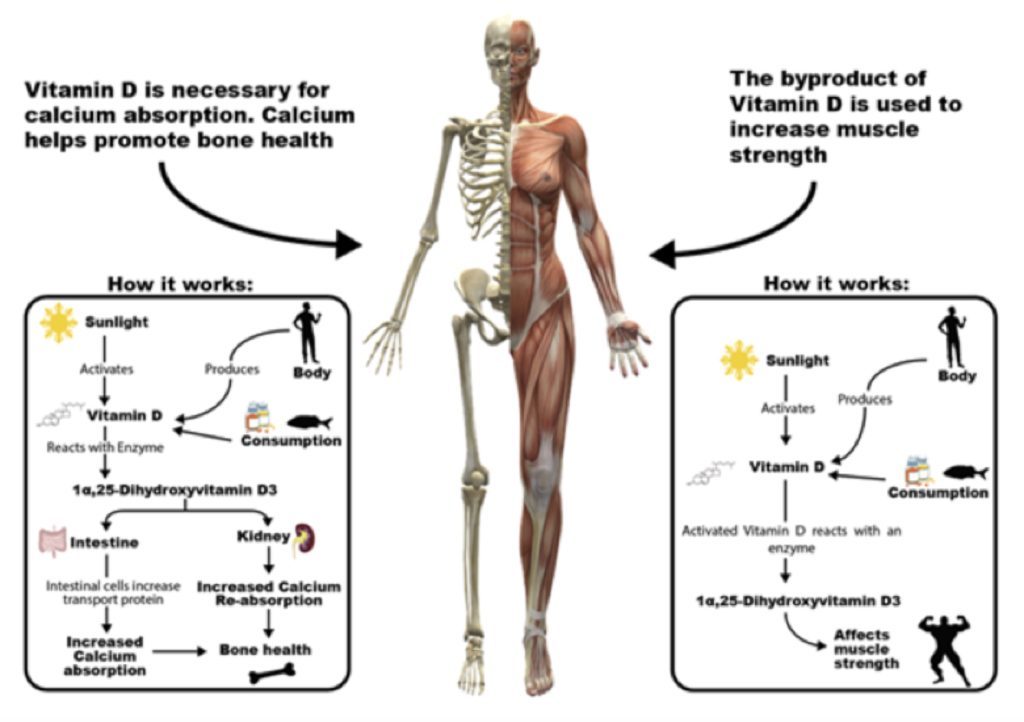
"In an ancillary study of the Vitamin D and Omega-3 Trial (VITAL), we tested whether supplemental vitamin D3 would result in a lower risk of fractures than placebo." 'CONCLUSIONS: Vitamin D3 supplementation did not result in a significantly lower risk of fractures than placebo among generally healthy midlife and older adults who were not selected for vitamin D deficiency, low bone mass, or osteoporosis." more »
Sexual harassment in the workplace can cause harmful psychological, physical, occupational, and economic effects for workers. Several federal laws, executive orders, and agency directives are aimed at preventing and addressing sexual harassment at federal agencies. GAO issued a June 2020 report (GAO-20-387) that reviewed VA's efforts to prevent and address sexual harassment at the agency. In this report, GAO made seven recommendations. This testimony discusses VA's efforts to implement GAO's recommendations to 1) ensure VA's EEO structure is properly aligned; 2) improve the agency's policies to prevent and address sexual harassment of VA employees; 3) collect and analyze data to inform VA about sexual harassment of its employees; and 4) improve relevant training. more »
Among other responsibilities, the Task Force will monitor and evaluate all state and local legislation, regulations, and enforcement actions that threaten to:
Infringe on federal legal protections relating to the provision or pursuit of reproductive care;
Impair women’s ability to seek reproductive care in states where it is legal;
Impair individuals’ ability to inform and counsel each other about the reproductive care that is available in other states;
Ban Mifepristone based on disagreement with the FDA’s expert judgment about its safety and efficacy; or
Impose criminal or civil liability on federal employees who provide reproductive health services in a manner authorized by federal law. more »
“The Americans with Disabilities Act embodies a national promise to eliminate discriminatory barriers and support full participation, community integration, independent living and economic self-sufficiency for people with disabilities,” said Assistant Attorney General Kristen Clarke of the Justice Department’s Civil Rights Division. “We will continue using this bedrock civil rights law to eliminate barriers and safeguard the rights of people with disabilities across the country.” Since November 2021, the department has reached settlement agreements with CVS Pharmacy Inc., Hy-Vee Inc., The Kroger Co., Meijer Inc. and Rite Aid Corporation to ensure that people with disabilities can book COVID-19 vaccine appointments and obtain vaccine information online. more »
|

Senior Women Health & Nutrition:
Even healthy diets might not
give your body all of the vitamins and
minerals it needs every day. When women
experience iron deficiency
anemia, the
side-effects can be damaging. If you are
experiencing fatigue, weakness or even
irregular heartbeats, don't just blame old
age! Consult with your doctor about getting
your iron levels checked.
|