


Now, at 88, with all of her accomplishments, her scientific contributions to journals (200 so far) and five books expanding her Curriculum Vitae, Dr. Cartwright hasn’t slowed her pace. Currently, she is pushing to get The Twenty-four Hour Mind into the hands of attorneys and jurists to help them better understand the criteria for sleepwalking, and when it is legitimate to use this sleep disorder as a defense for some criminal act.
In the 24-hour theme of her newest book, Dr. Cartwright considers sleeping, dreaming, and waking to be one continuous cycle, functioning smoothly to provide us with a good mood and physical health. Alas, she warns that "when sleep is neurologically or genetically impaired or just too short, the processes that good sleep facilitates — those that usually have a positive effect on our mood and performance — can short circuit, with negative results that occasionally reach tragic proportions."
It’s these "tragic proportions" that make The Twenty-four Hour Mind such a fascinating read, for in it Dr. Cartwright describes several sleepwalking cases in which she served as expert witness for the defense: the Scott Falater Case (aka The Pool Pump Murder), the Ken Parks case, and the Good Neighbor trial.
Cartwright explains, "True sleepwalkers are not in a conscious state at the time and so not responsible in legal terms for their crimes. Their brains are in a half asleep and half awake state. One clear finding from the brain scan of a sleepwalker is that although the visual system is working, they can find their way and do complicated acts. But, they cannot recognize faces, even of loved ones. That area of the brain is still fast asleep. It is this non-conscious state that the public is not used to and is hard for juries to understand."
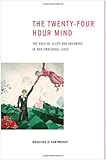
The Twenty-four Hour Mind: The Role of Sleep and Dreaming in Our Emotional Lives by Rosalind Cartwright is available through Dr. Cartwright’s website, or at Amazon.com.
Other published titles by the Queen of Dreams are: Psychotherapy and Personality Change (with Carl Rogers), 1954; Night Life: Explorations in Dreaming, 1977; A Primer on Sleep and Dreaming, 1978; and Crisis Dreaming: Using Your Dreams to Solve Your Problems (with Lynne Lamberg), 1982.
©2011 Elaine Soloway for SeniorWomen.com
Pages: 1 · 2
More Articles
- Attorney General Merrick Garland Testifies: Seventeen Federal Agencies Recognize Decade of Federal Progress Addressing Elder Abuse
- National Institutes of Health: Common Misconceptions About Vitamins and Minerals
- A Yale Medicine Doctor Explains How Naloxone, a Medication That Reverses an Opioid Overdose, Works
- Kaiser Health News Research Roundup: Pan-Coronavirus Vaccine; Long Covid; Supplemental Vitamin D; Cell Movement
- How They Did It: Tampa Bay Times Reporters Expose High Airborne Lead Levels at Florida Recycling Factory
- Veterans Health Care: Efforts to Hire Licensed Professional Mental Health Counselors and Marriage and Family Therapists
- Jo Freeman Reviews: Gendered Citizenship: The Original Conflict Over the Equal Rights Amendment, 1920 – 1963
- A Scout Report Selection: Science-Based Medicine
- Journalist's Resource: Religious Exemptions and Required Vaccines; Examining the Research
- Adrienne G. Cannon Writes: Those Lonely Days


